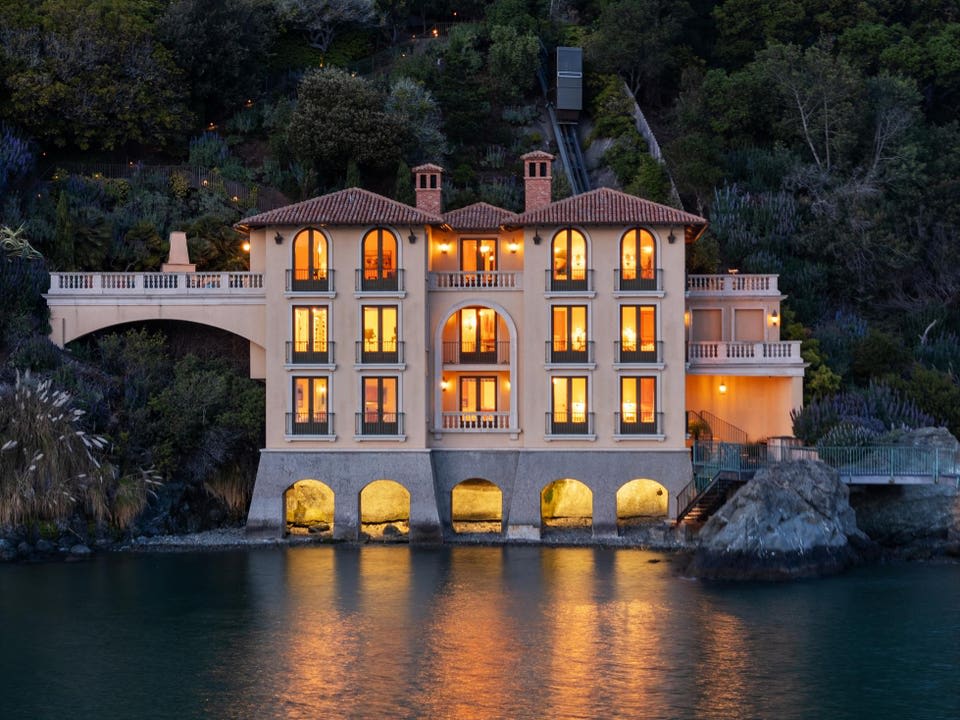
Luxury home sellers need more than exposure. They need precise positioning, elevated presentation, and a strategy that protects both price and privacy.
Why this matters locally
This article is designed to rank for San Francisco-specific search intent and to answer natural-language buyer and seller questions in a format that is easier for both search engines and AI systems to understand.
The people who built careers at the intersection of capital and judgment — who navigated acquisitions, who read balance sheets the way other people read menus, who understood decades ago that San Francisco was not merely a place to live but a position to hold — these people do not need to be told that this is a significant financial event. They know it is. What they need is a team and a strategy that operates at the same level of sophistication they have always demanded from the professionals in their lives.
The San Francisco luxury market in 2026 is not a mass market. It never was. But the data reveals something important: Redfin reported that $5 million-plus sales in San Francisco surged more than 200% year over year in February 2026, and the metro median sale price reached $1.72 million by March — a 14.4% annual increase driven in part by severe inventory compression at just 1.8 months of supply. The conditions for a premium exit are exceptionally favorable. Whether that exit is premium depends entirely on how the property is handled.
What High-Net-Worth Sellers Actually Care About
The wealthiest sellers in San Francisco are not primarily motivated by speed. They have the financial flexibility that most sellers do not, and they use that flexibility to control the variables that matter most. What they consistently prioritize is this: net proceeds, discretion, buyer quality, and the preservation of a narrative around the property that reflects what they built or curated over the decades they lived there.
Generic listing execution destroys that narrative. A luxury home photographed with a wide-angle lens that distorts the rooms, listed at an aspirational price with no preparation, and marketed to the broadest possible audience will consistently underperform against a home that has been curated, photographed with architectural precision, priced to generate competition among the right buyers, and presented through channels that reach people who are actually qualified to purchase it.
The difference between these two approaches is not a small one. It is often measured in hundreds of thousands of dollars, and occasionally in millions.
The Neighborhoods Where This Matters Most
Pacific Heights is San Francisco’s most internationally recognized luxury address, and the expectations of buyers at this level are correspondingly exacting. The Edwardians and pre-war mansions along Broadway, Washington, and Jackson command prices that justify — and require — the highest level of presentation. Views of the bay, of the Presidio, of the Marin headlands through expansive windows are not incidental to the value here. They are the value. Marketing that fails to frame them correctly is not just ineffective. It is counterproductive.
The Marina District attracts a different profile of luxury buyer — one who is equally affluent but more lifestyle-oriented, drawn to the proximity of the Palace of Fine Arts, the morning runs along Marina Green, the bay views from Chestnut Street’s terrace restaurants. The homes here tend toward the polished and livable rather than the monumental, and the marketing should reflect that: aspirational without being stiff, sophisticated without being cold.
Noe Valley presents a different opportunity for the luxury seller. The high-end Noe Valley home — the fully renovated Victorian with a chef’s kitchen and a garden that catches the afternoon sun while the fog rolls over Twin Peaks — appeals to wealthy downsizers and second-home buyers who want elegance without grandeur. The sell here is not prestige. It is the particular quality of life that comes from owning something genuinely beautiful in a neighborhood that feels authentically San Francisco.
Precision Pricing: The Variable That Separates Outcomes
Luxury buyers in San Francisco in 2026 are not unsophisticated. They have access to the same data you do — often more. They have advisors, they have comps, and they have the financial confidence to walk away from a property that feels overpriced relative to what the numbers support. The Halo Effect that surrounds a beautifully presented home can create meaningful pricing power, but it cannot replace the fundamental credibility that comes from a price that is grounded in honest market intelligence.
The sellers who maximize net proceeds in this segment are the ones who price to generate early, competitive attention — not the ones who price to leave room for negotiation. In a market where the strongest luxury homes are still drawing multiple interested parties, the opening price sets the tone for every conversation that follows. A price that signals value and confidence generates a different quality of offer than a price that signals hope.
The Preparation That Cannot Be Skipped
The luxury buyer who walks through a $4 million Pacific Heights home is making a series of rapid evaluations that are largely unconscious but entirely decisive. The smell of fresh paint. The quality of the light fittings. The condition of the cabinet hardware. The tightness of the windows. These are not the primary reasons they buy or pass — but they are the signals that tell a sophisticated buyer whether the property has been cared for at the level appropriate to its price, or whether they are about to step into someone else’s deferred maintenance.
Pre-sale preparation at the luxury level is not an expense. It is an investment with a calculable return, and it is the single variable most within the seller’s control. Concierge-level staging, architectural photography, and the repair of the small things that signal neglect to discerning buyers are the foundation on which premium pricing is built.
You spent decades building something of distinction in this city. The exit should be executed with the same intelligence and intention that built what you are selling. That is not an emotional argument. It is a financial one.
Request a confidential property positioning review
Contact AdrianFrequently asked questions
What do luxury sellers care about besides price?
Luxury sellers also care about privacy, brand alignment, presentation quality, and how the home is perceived by the right buyer pool.
Why does image quality matter more for luxury listings?
Because affluent buyers judge quality before they read details. Photography and presentation shape trust and expectation immediately.
What makes a luxury real estate article useful?
It should explain timing, positioning, buyer psychology, and the tradeoffs that affect premium homes rather than offering generic seller advice.