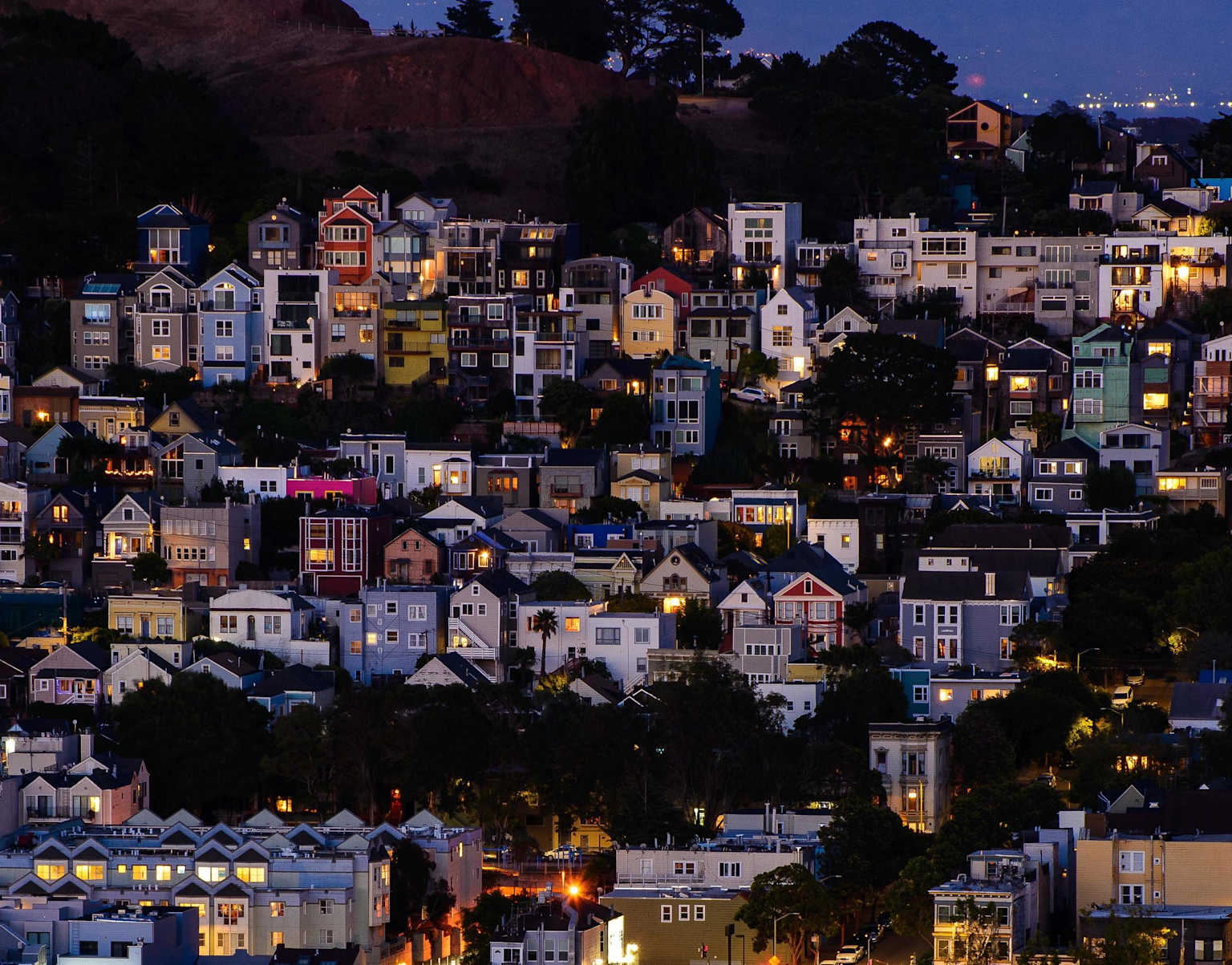
Millennial buyers do best when they choose a neighborhood before they choose a listing. The right neighborhood shortens decision time, improves confidence, and reduces wasted emotional energy in a competitive market.
Why this matters locally
This article is designed to rank for San Francisco-specific search intent and to answer natural-language buyer and seller questions in a format that is easier for both search engines and AI systems to understand.
There is a particular kind of exhaustion that sets in when you’ve done everything right — built the career, saved the down payment, followed the advice — and the market still feels one step ahead. This is the lived experience of Millennial buyers in San Francisco in 2026, and it is almost universally shared among buyers in their early-to-mid thirties trying to make the transition from renter to owner in one of the most structurally constrained housing markets in the country.
You are not behind because you made bad choices. You are competing in a city where Redfin reported the metro median sale price hit $1.72 million in March 2026 — a 14.4% increase year over year — and where Zillow’s city-level data shows just 880 homes for sale against a backdrop of intense, well-financed demand. The squeeze is real, and it is not personal. But it also isn’t permanent, and the buyers who are getting through it are doing so with a specific kind of discipline that is worth understanding.
The Real Pain Point Isn’t the Price
When you talk to Millennial buyers who stepped back from a purchase, they rarely cite the price as the reason they walked. More often, they describe a feeling: the sense that the decision was happening too fast, that the stakes were too high to get wrong, that they weren’t sure whether the neighborhood would hold its value or whether the HOA had a deferred maintenance problem hidden in the meeting minutes.
This is a research-driven generation. Millennials who grew up watching the 2008 collapse don’t buy on faith. They buy on evidence. And the problem with San Francisco’s 13-day median pending window — per Zillow’s 2026 data — is that it does not give you 13 days to gather evidence. It gives you 13 days from listing to accepted offer, which means the research has to happen before the home comes on the market.
The buyers who have cracked this are the ones who did their deep due diligence by neighborhood, by building type, by price band, before they started touring. When the right listing hit, they weren’t starting from scratch. They were executing a plan they’d already built.
What Stability Actually Looks Like in This Market
The Millennial instinct — entirely reasonable — is to want stability before taking on a $1.5 million mortgage. But in San Francisco’s 2026 market, waiting for stability is itself a form of instability. With only 1.8 months of metro supply per Redfin and prices climbing at 14.4% annually, the “safer” choice of waiting has a real and calculable cost that compounds monthly.
The more productive reframe is this: in a low-supply market with appreciating values, buying is the hedge. Owning locks in today’s payment while renting exposes you to tomorrow’s increases. The buyers who understand this shift their emotional calculus from “is now the right time?” to “what is waiting actually costing me?”
The Neighborhoods Delivering for Millennial Buyers
Noe Valley remains one of the most emotionally resonant choices for Millennial families in San Francisco. The Saturday Farmers Market on 24th Street, the proximity to good schools, the walkable blocks of well-maintained Victorians — it delivers the kind of daily-life quality that still makes a $1.5 million purchase feel like something more than a financial transaction. Competition here is real, but buyers with clear family-oriented criteria and strong financing are consistently finding their way through.
Bernal Heights draws buyers who want the warmth of Noe Valley with slightly more breathing room. The hilltop park with its 360-degree views of the city is something you cannot put a price on, and the neighborhood’s tight-knit identity creates a rare sense of belonging in a city that can otherwise feel transient. When the fog sits heavy over the Outer Sunset and Ocean Beach, Bernal often catches an extra hour of afternoon sun — a small thing that locals will tell you matters more than you’d expect.
Pacific Heights is the right frame for Millennial buyers who have the income and the aspiration to match. The sweeping bay views from Broadway and Broadway Terrace, the architectural grandeur of the Edwardians and pre-war apartments, the proximity to the Presidio — this is a neighborhood that rewards long holds. Buyers who treat Pacific Heights as a 10-to-15-year commitment tend to feel confident in the purchase even when the initial price feels intimidating.
How to Actually Close the Gap
The buyers who succeed in this market share a few consistent habits. They treat pre-approval as a prerequisite, not a preliminary step — meaning they have their lender, their letter, and their numbers dialed before they start touring. They budget around total monthly cost rather than purchase price, folding in property taxes, HOA dues (if applicable), insurance, and a realistic maintenance reserve. They identify their non-negotiables clearly — commute threshold, bedroom count, outdoor space — and they hold those lines, rather than compromising them and resenting the decision six months later.
Most importantly, they have made peace with the idea that their first San Francisco home is not their forever home. It is the platform from which the next purchase becomes possible. The buyers who frame it that way move with an ease and decisiveness that the ones waiting for perfection simply cannot access.
You have done the hard part. You built the income. You built the savings. The market is not going to meet you halfway — but the door is open, and the people on the other side of it are not superhuman. They are buyers who got organized, got clear, and moved when the moment came. That is a reproducible process, and it starts right now.
Ask for a neighborhood fit consult
Contact AdrianFrequently asked questions
How should Millennial buyers choose a San Francisco neighborhood?
Start with commute, budget, home type, and daily lifestyle. A neighborhood should fit how you live now and where you want to be in a few years, not just what looks best online.
Why is neighborhood clarity so important in a fast market?
When buyers know their two or three target areas, they can evaluate listings faster and write stronger offers without restarting the decision process every weekend.
Are all San Francisco neighborhoods equally competitive?
No. Competition varies by housing type, price bracket, and micro-location. That is why neighborhood strategy matters as much as financing.